 Language
 English
 Português
 Deutsch
 Français
 русский
 Italiano
 日本語
 عربي
 Español

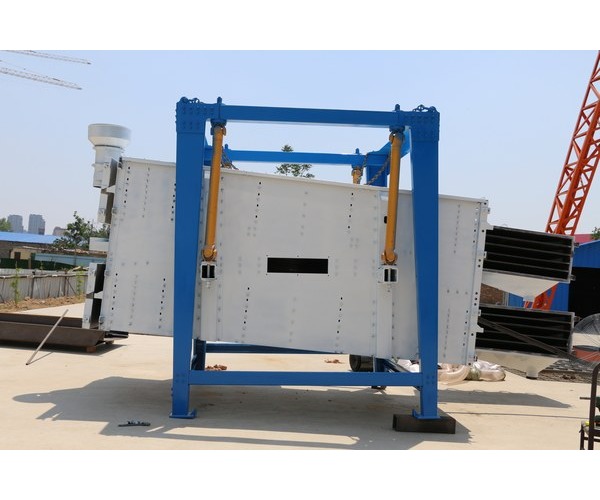
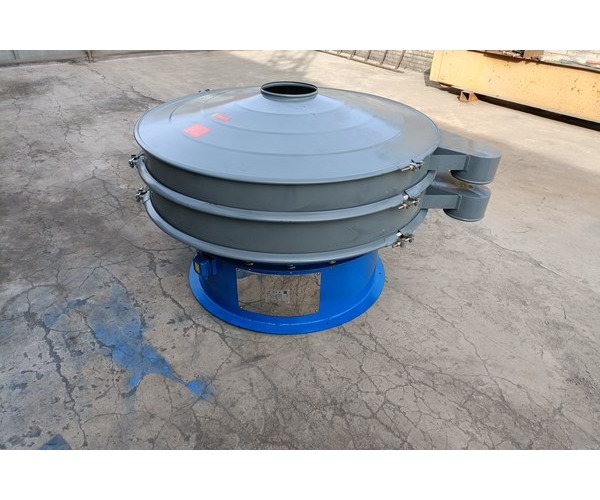
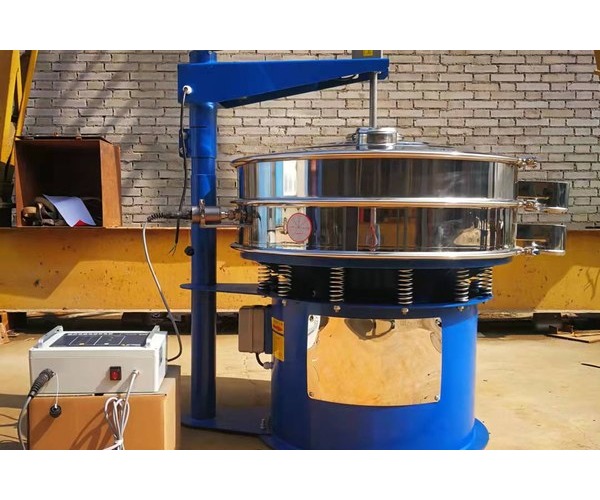
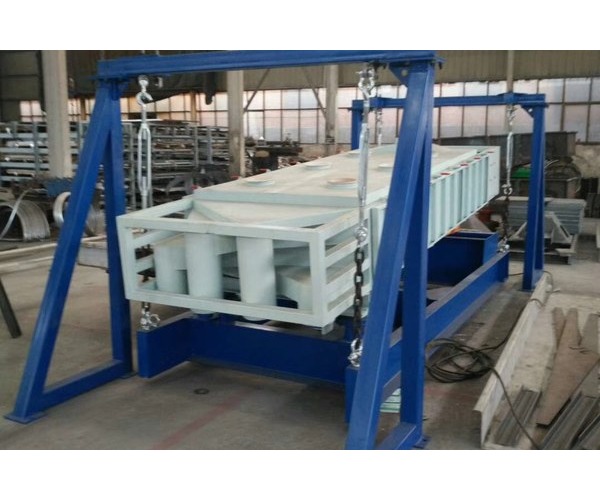
Aggregate and sand production depends on separating material into consistent size fractions. From manufactured sand to quarry stone, the quality of the final product is closely tied to how accurately particles are classified. A square swing screen, also known as a square gyratory sifter, is well suited to these high-capacity, heavy-duty applications because it combines a large screening area with a gentle, planar motion.
What Is a Square Swing Screen
A square swing screen uses a drive assembly that creates a slow, elliptical or reciprocating motion across a rectangular deck. Material enters at the feed end and travels across one or more layered screens, with each deck removing a specific size fraction. Unlike high-frequency vibration, the movement is gentle and gradual, which allows material to stratify and pass through the mesh efficiently. The multi-deck design makes it possible to produce several graded products in a single pass.
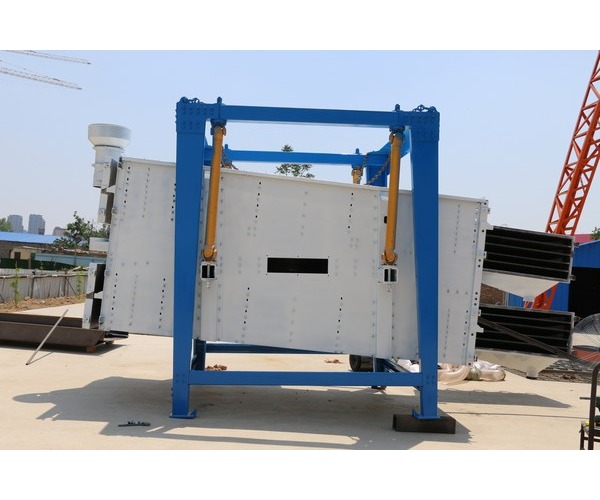
Figure: A square swing screen configured for sand and aggregate grading.
Why Sand and Stone Screening Is Demanding
Aggregate is abrasive, dense and often moist, which places heavy demands on screening equipment. Dry material can generate significant dust, while damp sand tends to stick and blind the mesh. At the same time, operations need high throughput to keep crushers and conveyors fed. A screen that combines capacity with gentle, efficient separation helps operators maintain output without sacrificing the accuracy of the size fractions.
Typical Sand and Aggregate Applications
A square swing screen can be used in several stages of a sand and stone operation:
- Manufactured sand grading: separating sand into defined fractions for concrete, mortar and other construction uses.
- Quarry stone classification: sorting crushed stone into size grades for road base, fill and aggregate supply.
- Fines removal: taking out dust and undersized material to improve the quality of the final product.
- Recycled aggregate: grading material from construction waste for reuse in new applications.
- Oversize control: removing material that is too large for downstream processing or customer requirements.
Practical Benefits for Aggregate Producers
The square swing screen is valued for its large screening area and gentle motion, which support high throughput and efficient stratification. The planar movement reduces the bouncing of material, helping particles find the mesh openings rather than being thrown across the deck. Multiple decks allow several fractions to be produced at once, and the robust structure is designed for the demands of abrasive material. As with any screening machine, results depend on matching deck angle, stroke and mesh aperture to the specific aggregate.
Selection and Maintenance Considerations
When specifying a square swing screen for sand and stone, factors such as feed size, moisture content, required capacity and the number of product fractions should be taken into account. Wear-resistant screen media and easy access for inspection are important in an abrasive environment. Regular checks of the mesh, drive components and suspension or guiding elements help maintain screening accuracy and reduce unplanned downtime.
Final Thoughts
Reliable classification is central to producing consistent aggregate. By separating sand and stone into accurate size fractions, a square swing screen can support steadier plant operation and more predictable product quality. Producers are encouraged to test the configuration with their own material to confirm it meets the demands of their operation.


