 Language
 English
 Português
 Deutsch
 Français
 русский
 Italiano
 日本語
 عربي
 Español

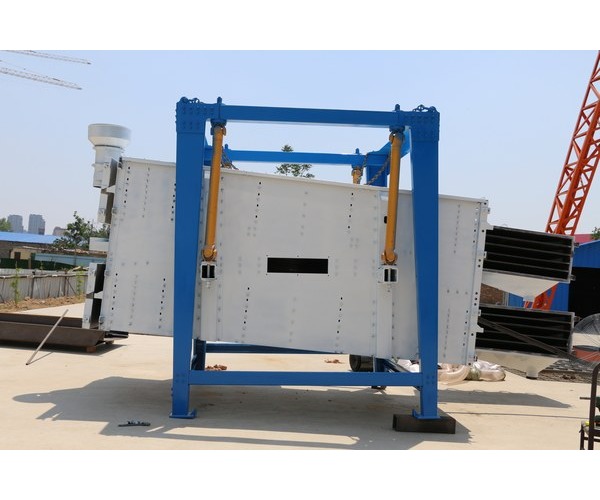
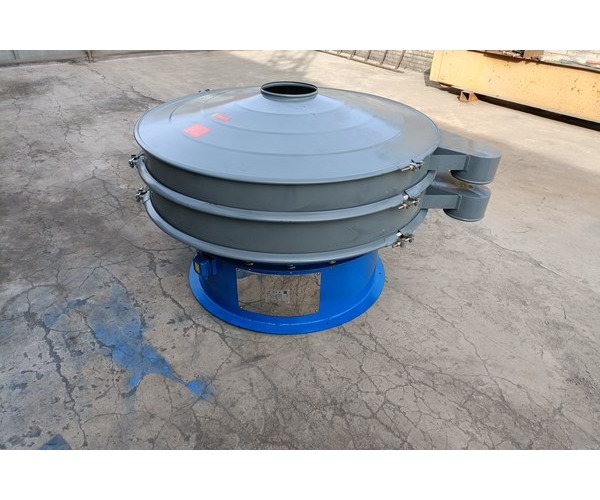
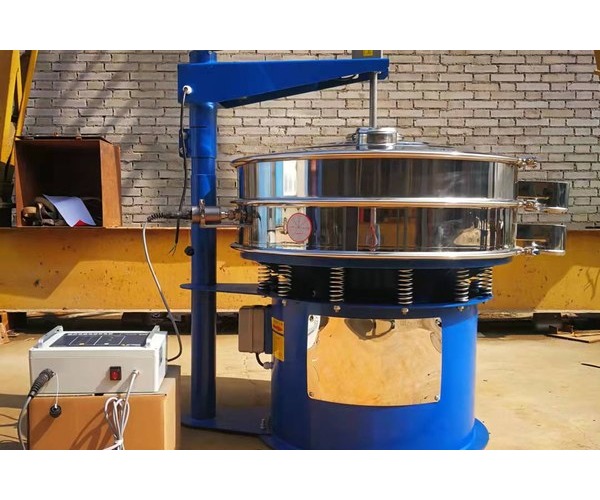
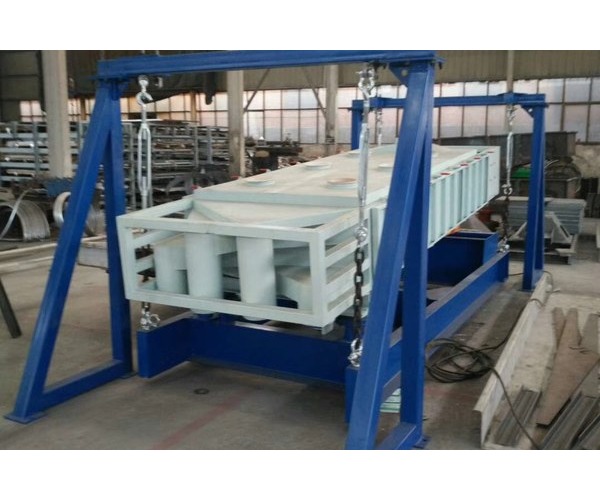
In industrial milling, the uniformity of the ground product influences everything from downstream processing to the quality of the final material. Whether the line handles grain, minerals, chemicals or other dry goods, removing oversized particles and classifying the correct fraction is a persistent challenge. A rotary vibrating screen is one of the most widely used machines for this task, thanks to its compact footprint and reliable three-dimensional motion.
What Is a Rotary Vibrating Screen
A rotary vibrating screen, also called a circular vibratory sieve, uses a vertical motor with eccentric weights at each end to generate horizontal, vertical and tilting motion. This three-dimensional movement spreads material across the screen surface and carries it outward toward the discharge spout, while finer particles pass through the mesh. Multiple decks can be stacked to separate several size fractions in a single pass, making the machine a flexible choice for milling operations.
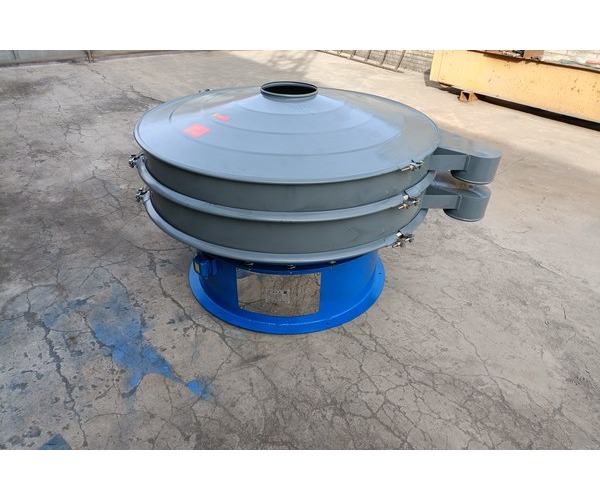
Figure: A rotary vibrating screen configured for powder classification in a milling line.
The Role of Screening in Milling
After grinding, the output is rarely uniform. It contains a mix of fine product, acceptable particles and coarse material that did not break down fully. If left unchecked, oversized grains can affect the consistency of subsequent processes, the appearance of the product and the accuracy of packaging. Screening closes the loop by separating these fractions so that each can be routed to the right destination, whether that is further milling, storage or final use.
Typical Industrial Milling Applications
A rotary vibrating screen can be found at several points in a milling operation:
- Flour and grain milling: sifting flour and separating bran or coarse particles to achieve the desired grade.
- Mineral and ore powders: classifying ground material by particle size for further processing or specification.
- Chemical and additive powders: removing agglomerates and ensuring a consistent particle distribution.
- Recycling of oversize: returning coarse material to the mill for regrinding rather than discarding it.
- Final quality checks: providing a last screening step before storage, bagging or bulk loading.
Practical Benefits for Mill Operators
The rotary vibrating screen is valued for its simple structure, relatively low energy use and ease of maintenance. Screen meshes can be changed quickly to suit different products, and the enclosed design helps contain dust during operation. Because the machine produces a gentle, even motion, it can handle a broad range of dry materials without excessive degradation. Matching the mesh size, deck configuration and feed rate to the material remains essential for stable results.
Selection and Maintenance Considerations
When choosing a rotary vibrating screen for a milling line, operators should consider the material of construction, the number of deck layers, the required throughput and the characteristics of the powder, such as density and flow behavior. Regular inspection of the mesh, eccentric weights, springs and seals helps keep performance consistent and extends service life. Where dust control is important, appropriate covers and extraction connections should be specified.
Final Thoughts
Effective classification is a key step in producing a consistent milled product. By separating fine and coarse fractions reliably, a rotary vibrating screen supports smoother downstream processing and more predictable quality. Plants are encouraged to run trials with their own material to confirm that the chosen screen configuration meets their process needs.


