 Language
 English
 Português
 Deutsch
 Français
 русский
 Italiano
 日本語
 عربي
 Español

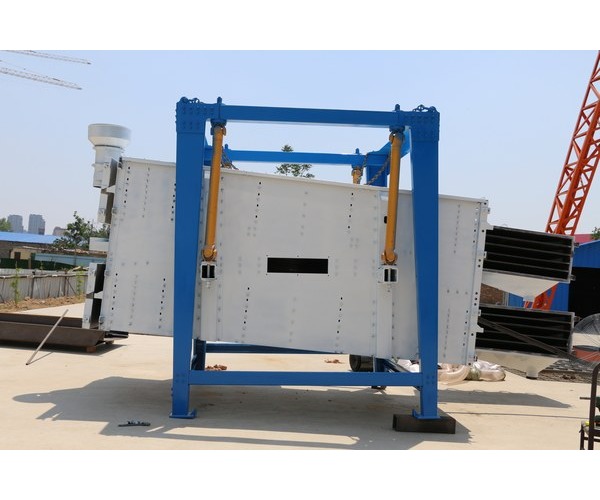
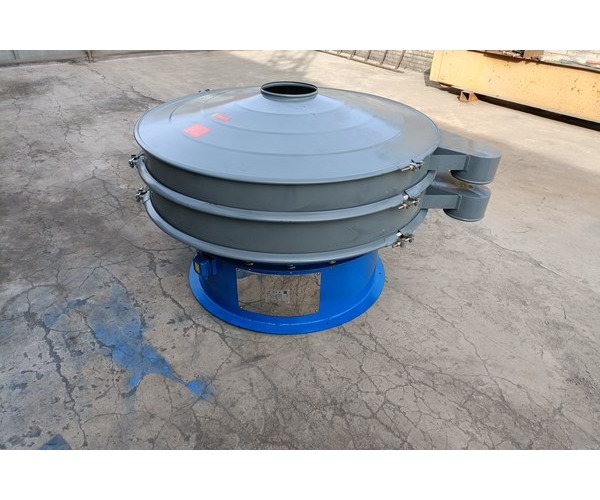
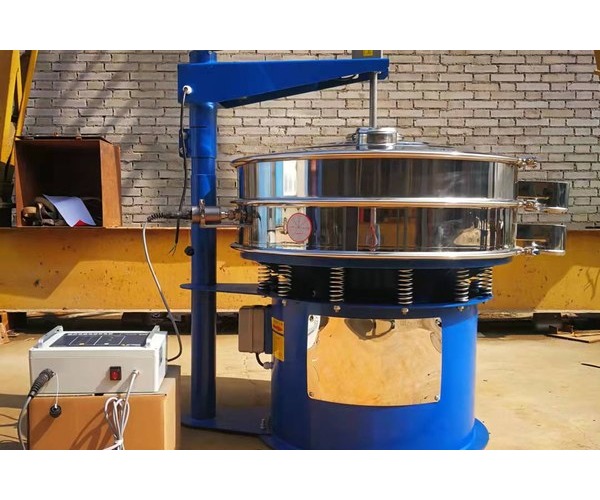
Urea is one of the most widely produced nitrogen fertilizers in the world, and consistent granule size plays an important role in how it flows, stores and spreads in the field. As production lines aim for steadier output and fewer fines, many operators are taking a closer look at how a planar rotary screen fits into the screening and classification stage. This article explains the equipment and its practical role in urea handling.
What Is a Planar Rotary Screen
A planar rotary screen, sometimes described as a flat or plane rotary sieve, is a screening machine that combines a gentle gyrating motion with a near-horizontal screen deck. Material travels slowly across the mesh while the motion encourages particles to stratify, allowing finer pieces to pass through and larger granules to move toward the discharge end. Compared with high-amplitude vibration, the movement is softer, which is useful when the product itself is fragile.
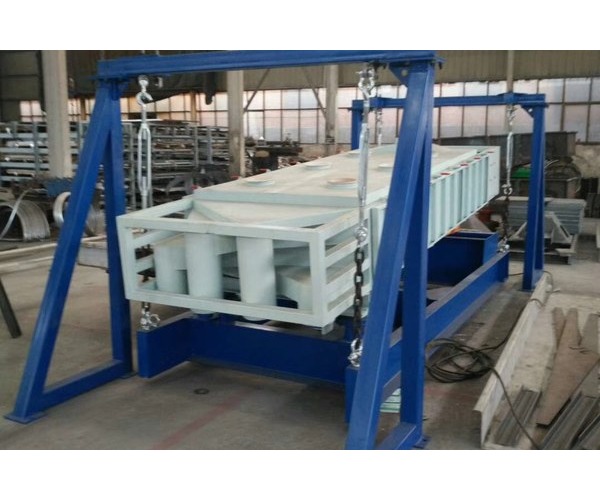
Figure: A planar rotary screen prepared for fertilizer granule classification.
Why Urea Screening Needs Careful Handling
Finished urea granules are valued for their uniform size and reasonable crushing strength, but they can still break down under rough treatment. Excess vibration or aggressive conveying creates dust and undersized particles, which can lead to caking during storage and uneven application. A gentle screening approach helps preserve granule integrity while still removing the fines that do not meet specification.
Typical Applications in a Urea Line
In practice, a planar rotary screen can be used at several points in a urea facility:
- Fines removal: separating undersized particles and dust from on-specification granules before bagging or bulk loading.
- Size classification: splitting output into size fractions so that product meets the requirements of different markets and customers.
- Pre-packaging checks: providing a final screening step ahead of weighing and packing to reduce the risk of contaminants or agglomerates.
- Recycling streams: recovering usable material from off-specification lots for further processing rather than discarding it.
Practical Benefits for Operators
Operators often consider a planar rotary screen for urea service because it tends to run with low noise and modest power demand. The slow, rhythmic motion can reduce the generation of new dust, and the open deck design makes visual inspection and cleaning straightforward. Where multiple screen decks are fitted, several size fractions can be produced in a single pass. As with any equipment, results depend on matching the mesh aperture, deck angle and feed rate to the specific product and plant conditions.
Selection and Maintenance Considerations
When evaluating a planar rotary screen for urea, attention should be paid to the material of construction, since urea can be corrosive in the presence of moisture. Stainless contact parts, effective sealing and easy access for wash-down are common considerations. Regular inspection of the mesh, drive components and suspension or guide elements helps maintain screening accuracy over time.
Final Thoughts
Good screening is a small but meaningful part of consistent urea quality. By classifying granules gently and removing fines reliably, a planar rotary screen can support smoother downstream handling and more predictable product quality. Plants are encouraged to run trials with their own material to confirm that the chosen configuration meets their process requirements.


